How Hospitality Brands Can Turn England's World Cup Run Into PR
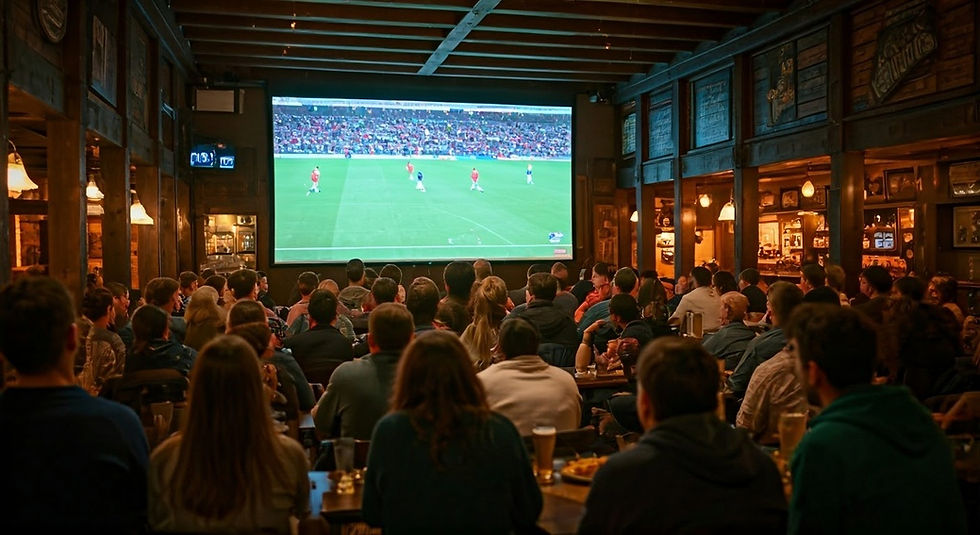
Every major sporting tournament creates winners away from the pitch. While brands with multi-million-pound marketing budgets battle for attention through advertising, independent hotels, restaurants, pubs, attractions and food producers have an opportunity to earn something far more valuable: editorial coverage.
England's progress to the World Cup quarter-finals has dominated headlines, social media feeds and conversations across the country. Journalists are producing fresh stories every day, broadcasters need new angles and audiences are looking for reasons to keep engaging with the tournament between matches. For hospitality and tourism businesses, that presents an opportunity that extends well beyond putting a television in the bar or hanging a few flags outside the front door.
One of the biggest misconceptions about PR is that it starts with your business. It doesn't. The strongest campaigns begin with what people are already talking about and then ask how your business can contribute to that conversation. That's why national moments matter. Whether it's the World Cup, Wimbledon, a spell of hot weather or a television series filmed in your region, the public's attention is already focused on a particular subject. Rather than trying to create interest from scratch, good PR can connect your business to a story that already has momentum. It is a simple shift in thinking, but it often separates businesses that regularly appear in the media from those that wonder why their announcements never receive coverage.
Start With The Story
One of the most common mistakes businesses make is confusing an offer with a story. Announcing that you're showing the football, discounting burgers during England matches or extending your opening hours isn't usually enough to interest journalists because hundreds of other venues are doing exactly the same thing. The media isn't looking for another promotion. It is looking for evidence of changing behaviour, interesting trends and businesses that illustrate a wider story.
Instead of asking, "What can we sell?" ask, "What are we seeing?" Has England's success led to more overnight bookings because guests don't want to drive home after evening kick-offs? Are families arriving earlier to make a day of it before watching the match? Have international visitors been asking where they can experience the atmosphere of watching England play? Has your farm shop noticed demand for picnic food increasing, or has your brewery sold more local beer ahead of match days? Those observations are far more valuable than a discount because they help explain what is happening across the country through the experience of one business.
If you can support those observations with your own figures, the story becomes even stronger. Journalists are far more likely to include a business that can demonstrate a 25 per cent increase in bookings, a rise in average spend or a noticeable shift in customer behaviour than one simply announcing a new menu. You don't need a national survey when your own business already holds useful information.
Think Beyond Football
The football itself doesn't have to be your story. More often than not, it is simply the reason people are behaving differently.
A country house hotel could package together countryside walks, dinner and a match screening to encourage guests to make a weekend of it. A restaurant might introduce dishes inspired by England's next opponents or create a tasting menu celebrating food from competing nations. Visitor attractions could extend opening hours before evening kick-offs, giving families another reason to visit, while farm shops might create picnic hampers designed for supporters gathering in parks and gardens. Independent breweries, bakeries, cafés and food producers can all find ways to acknowledge the tournament without relying on football clichés. The important thing is that there is a genuine reason behind the idea rather than simply attaching a football to existing marketing.
Journalists are always looking for examples that illustrate how people are spending their time, where they are travelling, how they are celebrating and how businesses are responding. If your activity helps answer one of those questions, you already have the foundations of a story.
Become A Useful Voice
Not every media opportunity requires a press release (I know, shocking!)
During major national events, reporters are constantly looking for business owners who can explain what they are seeing on the ground. If bookings have increased, if customers are spending differently or if visitor numbers have changed, your experience helps bring a national story to life. Businesses often underestimate how valuable those insights can be because they assume journalists only want statistics from large organisations. In reality, local examples are often what make a story relatable.
That is particularly true for regional media. Local newspapers, radio stations and television programmes want businesses that reflect what is happening in their communities. A hotel that is fully booked because supporters have decided to stay overnight, a restaurant creating football-themed tasting evenings or an attraction adapting opening hours to fit around kick-off times all help tell the story of how the tournament is affecting local economies. Those opportunities frequently lead to wider coverage because national journalists often look to regional media for examples and case studies.
Look At The Information You Already Have
Many businesses spend time looking for stories while overlooking the information they generate every day.
Compare bookings with the same weekend last year. Look at average spend during England fixtures. Review which dishes, drinks or products are proving most popular and whether website traffic, enquiries or social media engagement have changed since the tournament began. None of this requires commissioning expensive research or carrying out complicated analysis. It simply involves looking at your own business through the eyes of a journalist rather than a business owner.
Small pieces of information often become the detail that makes a story credible. Saying you have been busy is subjective. Demonstrating that bookings have increased by a third compared with the previous weekend gives journalists something they can confidently report and readers something they can understand.
Don't Leave It Too Late
Timing is often the difference between securing coverage and missing the opportunity altogether.
By the time England plays its next match, journalists will already be planning features, business stories and travel coverage linked to the occasion. Waiting until the morning of a fixture usually means arriving after everyone else. Businesses that consistently achieve media coverage tend to prepare early, gather photography in advance, think about who is available for interview and contact journalists before inboxes become crowded with similar ideas.
Independent businesses have a significant advantage because they can move quickly. They don't need weeks of internal approvals before launching an idea or commenting on a developing story. That flexibility is one of the greatest strengths smaller businesses have, yet many fail to use it.
England's World Cup campaign will eventually come to an end, but the principle remains exactly the same. Wimbledon, the school summer holidays, the Edinburgh Festival Fringe, major television productions (note: the upcoming Netflix Pride & Prejudice series is worth looking at for Peak District businesses), seasonal travel trends and national celebrations all create moments when public attention shifts towards a particular subject. Businesses that consistently earn media coverage are rarely chasing publicity for its own sake. They have developed the habit of recognising where attention already exists and asking how they can contribute something worthwhile.
That is ultimately what successful PR looks like. It isn't about shouting louder than everyone else. It's about understanding the news agenda, recognising opportunities before they disappear and giving journalists something that helps them tell a better story. For hospitality, tourism and food businesses, England's World Cup run is one example of how quickly those opportunities can appear. The next one is probably only a headline away.


